Day 18 What I Long to Be

And on this 18th day of our challenge, Maureen at Napowrimo says: “Today, we’d like to challenge you to write a poem in which the speaker expresses the desire to be someone or something else, and explains why.”

What I Long to Be

I long to be a new version of me.

I long to be a rockin’ rock star who

tours the world and sings to packed crowds,

with a legacy that lasts a half century.

I long to be much taller & thinner, much more stylish.

I long to write novels & sell them to

moviemakers who turn them into series.

I long to have a productive green garden,

an immaculate yard, and a spotless house,

clean sheets every night, no ring on the tub.

I long to be strong & courageous, climb

rocks like a pro, &  nothing too heavy for me to lift!

No mountain too high for me to climb!

I long to know no fear—not in the dark of night

or on the busiest expressway that crosses the city

or the highest suspension bridge.

An elevator up to the 100th floor, no problem.

No anxiety, no jitters, no vertigo.

I long to be a famous philanthropist & give money away,

an environmentalist who saves the manatees & the whales.

But, since all of these longings are far from my reach,

I long to be the best me I can be!

Jacquelyn Markham (4/18/2024)
Day 17 La Vie en Rose: Villanelle

Napowrimo’s Prompt: “Today, we’d like to challenge you to write a poem that is inspired by a piece of music, and that shares its title with that piece of music.”

Because we are focusing on music today, I decided to write a villanelle, a form that dates back to Italy during the 16th century. Villanelles were songs, so it seemed a good fit. The form enjoyed a revival during the 19th century and to brush up on the form, I studied a villanelle by Oscar Wilde, titled “Theocritus” (check it out here). The villanelle consists of 5 tercets & a quatrain with a specific rhyme scheme, sometimes restricting syllables, but apparently not always. If you want to learn more about Oscar Wilde’s poem, you can find a fascinating article by the Guardian on the poem:https://www.theguardian.com/books/2016/aug/29/poem-of-the-week-theocritus-villanelle-oscar-wilde

You will notice the repetition of two refrains selected from the first stanza.

La Vie en Rose: A villanelle

“I thought that love was just a word/They sang about in songs” (Edith Piaf)

When I hear La Vie en Rose,

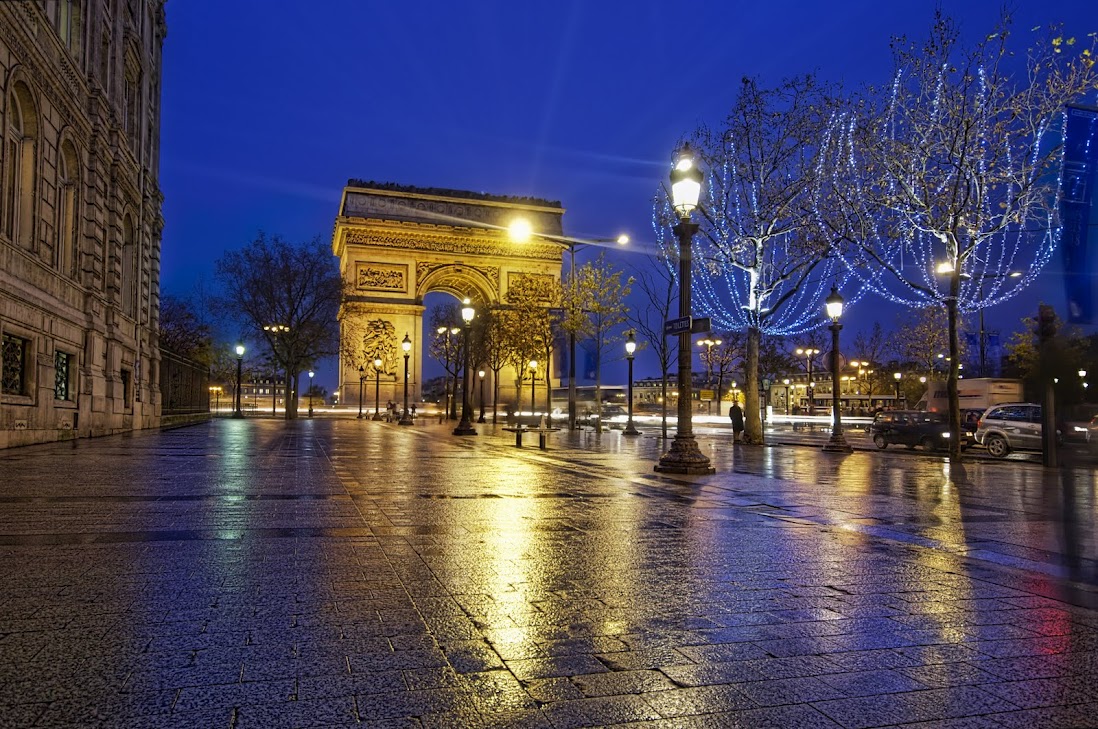
I want to stroll through Paris in the rain.

Do you, like Edith, believe in love?

Nymphs and fawns in fountain spray,

in Champs-Élysées, leaves skitter black with rain,

when I hear La Vie en Rose.

Rose-colored glasses at twenty did betray.

Still, I want to see a love-filled world.

Do you, like Edith, believe in love?

My music box played the song every day.

Love escaped me but not the pain

when I hear La Vie en Rose.

Whether Paris, Rome or the place you stay,

love and desire are in your domain.

Do you, like Edith, believe in love?

Rose petals fall away—

dried, brittle, crumbled once again

when I hear La Vie en Rose.

Do you, like Edith, believe in love?

Jacquelyn Markham (4/17/2024)

Day 16 Remembering Neruda

Day 16 moves us into the second half of the month, and yet, summoning the muse becomes a bit difficult–at least it has for me today. Nevertheless, my memory has joined the muse again and I have composed a poem.

Maureen at Napowrimo.net always reminds us the prompt is “optional,” but I do like to try to follow along with other poets.  It’s interesting to see the many different perspectives. And, sometimes making an effort to try something new results in a good poem!

So here it is: “today, we challenge you to write a poem in which you closely describe an object or place, and then end with a much more abstract line that doesn’t seemingly have anything to do with that object or place, but which, of course, really does. The “surprise” ending to this James Wright poem is a good illustration of the effect we’re hoping you’ll achieve. An abstract, philosophical kind of statement closing out a poem that is otherwise intensely focused on physical, sensory details.”

Remembering Neruda on the tavern terrace in spring

Jasmine & clematis drape a trellis in fragrance,

Nina Simone’s voice casts a spell on the night

while the server whose favorite poet is Pablo Neruda

(he has told me, noting I write poems on my placemat)

pours wine with a flair & a golden stream

swirls into my glass. Nina’s spell gives way

to Stevie Wonder’s funky beat on this tavern terrace

as cool as the spring evening laden with scent.

I recopy the poem I have written about the night & offer

it with my tab to the dark-eyed waiter who returns

to his Chilean home in the morning.

Was it Neruda’s poems of love or despair

that he held in his memory?

Jacquelyn Markham (4/16/2024)

Jacquelyn Markham, poet & writer, author of Rainbow Warrior, Finishing Line Press (2023), Peering Into the Iris: An Ancestral Journey and China Baby, among other titles.

Day 15 Little Stamp from Aruba

Today’s prompt from Napowrimo.net asked us to get inspired by stamps!

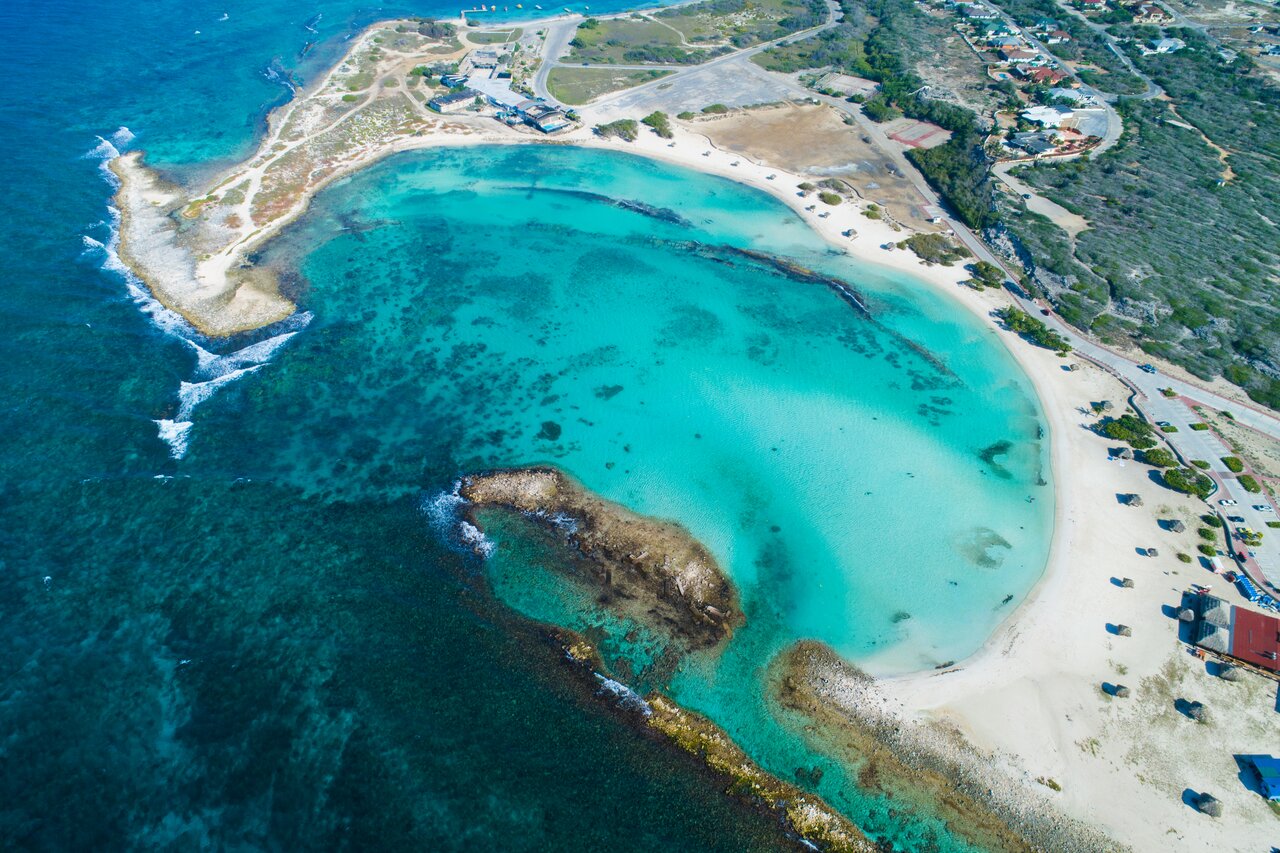
It took me awhile as first I went to the National Postal Museum and there was so much to learn! Next, I tried the recommended @StampsBot. Like Maureen said, there was an amazing “wide, wonderful, and sometimes wacky world of postage stamps” out there! But, still, difficult to zero in on just one. Curious how many stamps from other countries feature cats. I don’t recall any US stamps giving cats so much attention. In the end, though, it was this gorgeous palm tree and sunset that caught my eye. And now, I want to go to Aruba!

It also reminded me of a painting I did en plein air, years ago on a nearby beach. I gave it as a wedding gift to some dear friends.

Poet’s painting of island sunset.

And here is my little poem inspired by this lovely stamp from Aruba:

On this little stamp from Aruba

a fireball drops into the sea

a palette of orange red & yellow

sinks deep into the waves

yet stays in sky & palm fronds

not wanting to give up

the glorious day in Aruba

on the turquoise Caribbean

or even the quiet day

at the shore nearby

Jacquelyn Markham (4/15/2024)

Aruba from https://www.aruba.com/us

Day 14 Passiflora Incarnata

Today, I was remembering. . .

Passiflora Incarnata

Remember the day we met

Remember the day we parted

Remember the in-between

Remember the sycamore trees in December

Remember the lilacs in May

Remember the limestone walls & palisades

Remember the blank canvases & the gesso

Remember the studios scented in terpentine & oil

Remember the easels in gardens with light

Remember the gardens with duets in song

Remember the gardens in cold November

Remember the passiflora incarnata in June

Remember the meditations under the moon

Remember the pentimento of our days.

Jacquelyn Markham (4/14/24)

Napowrimo.net Prompt: Today’s (optional) prompt asks you to write a poem of at least ten lines in which each line begins with the same word (e.g., “Because,” “Forget,” “Not,” “If”). This technique of beginning multiple lines with the same word or phrase is called anaphora, and has long been used to give poems a driving rhythm and/or a sense of puzzlebox mystery. To give you more context, here’s an essay by Rebecca Hazelton on her students’ “adventures in anaphora,” and a contemporary poem that uses anaphora to great effect: Layli Long Soldier’s “Whereas.”

Day 1 PAD 2024-plot poem

Here we go, poets and poetry lovers! Day one of the poem-a-day challenge and National Poetry Month! So exciting! Read more about it here.

Prompt: Write, without consulting the book, a poem that recounts the plot, or some portion of the plot, of a novel that you like but haven’t read in a long time (compliments of NaPoWriMo)! My today’s effort below.

Ocean moon, photo by the poet

Edna & the Sea

When Edna left the shore &

plunged into the salty blue,

her body slid through breaking waves,

a silvery fish, sunlight flashing freedom.

When Edna left the shore behind

she lost everything—except herself.

When she left the shore, she found herself,

as solid as a whale, breathing air in bursts,

then diving deep, deep, deep into the azure sea.

When Edna returned to

her city home, everything she lost

was there—Victorian rooms, silver trays

with calling cards, tea sets, & callers at the door,

but where was she?

Edna felt the pull of the ocean,

slipped from the shallow talk & society,

she felt the waves wash her ankles,

a moment’s hesitation before the plunge,

like a fish freed from the hook,

frolicking in viridian sea, its escape barely seen.

Jacquelyn Markham 4/1/2024

This plot poem is inspired by Edna Pontellier in Kate Chopin’s The Awakening.  If  you haven’t read the book, you are missing a classic novel that reveals so much about the lives of women in the 19th century. And frankly, even into the 20th (and maybe even today for some women), Chopin’s words can evoke a “tower moment.”

Tower Card from Rider Waite deck

2024 Poem-a-Day begins!

Good bye March. Hello April and National Poetry Month!

So, the early bird prompt came in and I will end March with beginning the April poem-a-day challenge (as every ending is truly a beginning).

Here is the early bird prompt from NaPoWriMo.

“Pick a word from the list below. Then write a poem titled either “A [your word]” or “The [your word]” in which you explore the meaning of the word, or some memory you have of it, as if you were writing an illustrative/alternative definition.” The list:

  • Cage
  • Ocean
  • Time
  • Cedar
  • Window
  • Sword
  • Flute

Of course, as a flutist, I certainly must select “flute”!

A flute

A flute coos blues

swallows air like a tuba.

In Galway’s hands, the flute shows off,

becomes a bumble bee!

A funky flute spits & hisses

like my tiger cat, hums

a deep rhythm like Yusef Lateef.

A flute sound in the woods

travels trees, accompanies

bird song. My flute

sends a silver melody

across the waves

an offering to the sea.

Jacquelyn Markham (3/31/24)

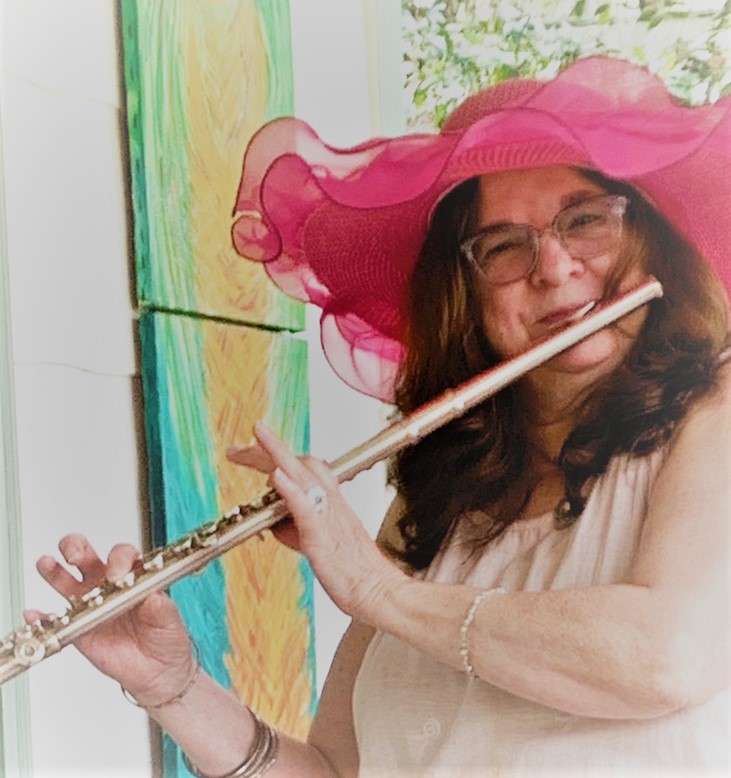
A flutist in an Easter bonnet!